

Snow Business archive
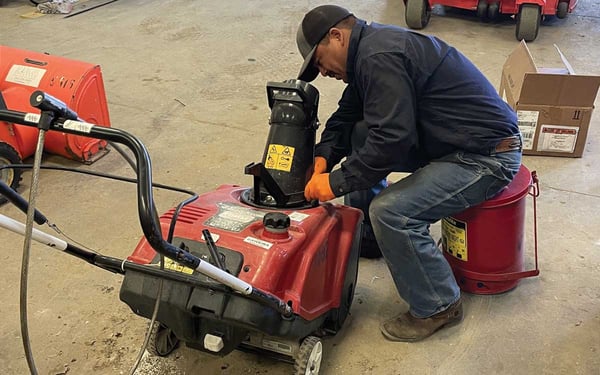
ID gaps with postseason asset audit
The end of the winter season is more than just a time to park the plows; it is the most critical window for evaluating the resources that keep your business running. Your assets go far beyond plows and heavy equipment—they include your technology, materials, facilities, and the tools your team relies on every day.
Conducting a thorough postseason review isn't just about counting inventory; it’s about identifying gaps, improving your processes, and making smarter, data-driven decisions for next year. Here is how to break down your end-of-season audit:
Evaluate Equipment Productivity & Efficiency
Take a hard look at how your machinery performed under pressure. Review the productivity and efficiency for equipment and materials used at each site:
-
Breakdowns: How often did equipment fail, and why?
-
Operational Technique: Were breakdowns caused by poor operator habits or by using equipment that was underpowered for a specific site or route?
-
Maintenance: Was the equipment used correctly and maintained according to schedule?
-
Condition and Accountability: Did your assets finish the season in the shape you expected? Were tools, materials and equipment reliably tracked and returned? This is the time to look for damaged or missing items, inconsistent inventory logs, or confusion regarding where tools should be stored.
Action Item: If you identify issues related to improper use, use this offseason to develop a training curriculum that addresses these specific operational gaps.
Audit Material Use and Sustainability
Reviewing your deicing chemical usage for each site is vital for both your bottom line and environmental sustainability:
-
Service Levels: Confirm if your material application achieved the contracted levels of service.
-
Budget vs. Actual: Did your material usage match your initial estimates? Look for opportunities where you can save on both material costs and application labor.
-
Supply Chain: If you experienced salt shortages, document exactly why they happened to prevent a repeat next year. Begin your search for new or secondary suppliers.
-
Customer Feedback: Document any complaints regarding the overuse of deicers. Look for patterns across specific customers, routes, or drivers.
Action Item: Focus your training on equipment calibration and sustainable salt use guidelines to ensure expectations are met next season.
Refine Utilization and Deployment
Finally, evaluate if your assets—equipment, materials, facilities, and dollars — used effectively throughout the season? Gaps may point to challenges in procurement planning, material forecasting or how you’re staging and scaling resources across sites.
-
Staging: Did you have the right types and pieces of equipment that was needed and in the right places?
-
Usage: Pay attention to over- or under-used equipment, material overages or shortages, and inconsistent usage compared to forecasts.
Action Item: Use these insights to refine your estimating process and purchasing strategies. By identifying these patterns now, you can make procurement decisions based on data rather than last-minute pressure.
By taking the time to review your assets and material use now, you ensure that your organization is leaner, more efficient, and better prepared for next season.
Related Articles
Winter's coming ... is your snow fleet ready?
Operations
Plan now to make sure your snow fleet is ready before you need it
Maximize Snow Management with Preseason Field Trips
Operations

Reparaciones de Equipo Sobre la Marcha
Operations
Un botiquín de primeros auxilios de mantenimiento bien surtido puede minimizar el tiempo de inactividad durante las tormentas.