

Evaluating the benefit of purchasing multi-season equipment
Snow Business archive
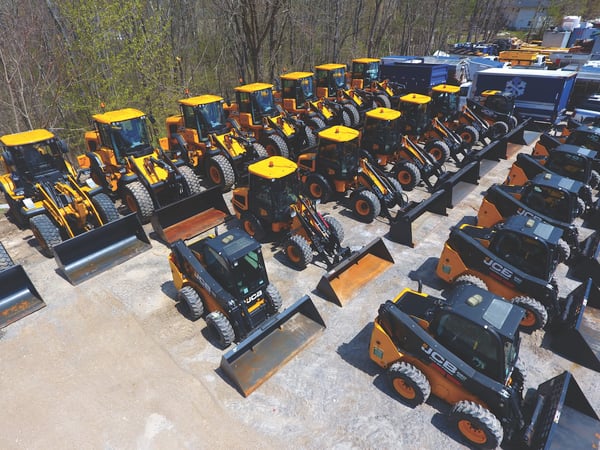
The Benefits of Using Multi-Season Equipment
In the landscaping and snow management industries, one of the most significant hurdles is ensuring your machinery doesn’t sit idle. While some tools are highly specialized for winter—like plows and spreaders—keeping your fleet working through the off-season is better for your bottom line. By choosing adaptable machinery, you ensure that your investment serves you year-round.
A multi-season equipment strategy offers several key advantages for your business:
Increased Profitability: Utilizing equipment year-round maximizes your return on investment and maintains steady revenue streams. For example, machinery that handles both snow removal and landscaping tasks ensures you generate income in every season.
Enhanced Versatility: Equipment such as skid steers and multipurpose trucks can be fitted with various attachments. This allows a single machine to adapt to everything from snow plowing to turf maintenance.
Cost and Operational Efficiency: Investing in multipurpose machinery reduces the need to purchase and maintain separate, specialized machines. This streamlines your fleet, reduces downtime, and simplifies overall management.
Reduced Storage Needs: A smaller, more versatile fleet requires less storage space, helping you save on associated facility costs.
Sustainability and Resource Management: Repurposing equipment reduces waste and the need for additional machinery, contributing to more sustainable business practices and a lower environmental impact.
Multi-Season Equipment Checklist
Before you pull the trigger on a new purchase or adapt an existing machine, use this checklist to ensure the investment aligns with your operational and financial goals.
1. Capabilities Assessment
-
Can the equipment be used for tasks beyond snow operations, such as landscaping or specialized turf maintenance? Can it be adapted for different functions?
-
Does it supplement or replace existing tools, or does it simply duplicate what you already have?
2. Problem-Solving & Risk
-
What specific operational challenges does this equipment solve?
-
Will it create new issues, such as maintenance complexities or operational constraints?
3. Financial Strategy
-
Does this purchase align with your growth plans and available capital?
-
Have you evaluated the pros and cons of leasing or renting versus a full purchase?
4. Lifecycle & Maintenance
-
What is your strategy for the equipment’s lifecycle?
-
Have you compared the costs of performing maintenance in-house versus contracting it out?
5. Safety & Training
-
How easy is the machinery to operate?
-
What kind of training will your team require to ensure they use the equipment safely and efficiently?
6. Client Requirements
-
Does this equipment help you meet your clients' specific needs and expectations for service quality?
-
Does your client have requirements for dedicated equipment?
-
Does the equipment match the operational needs of the types of sites you service?
By carefully evaluating these factors, you can make informed decisions that bolster your operational efficiency, support long-term growth, and keep your business running hot—even when the temperature drops.
Related Articles
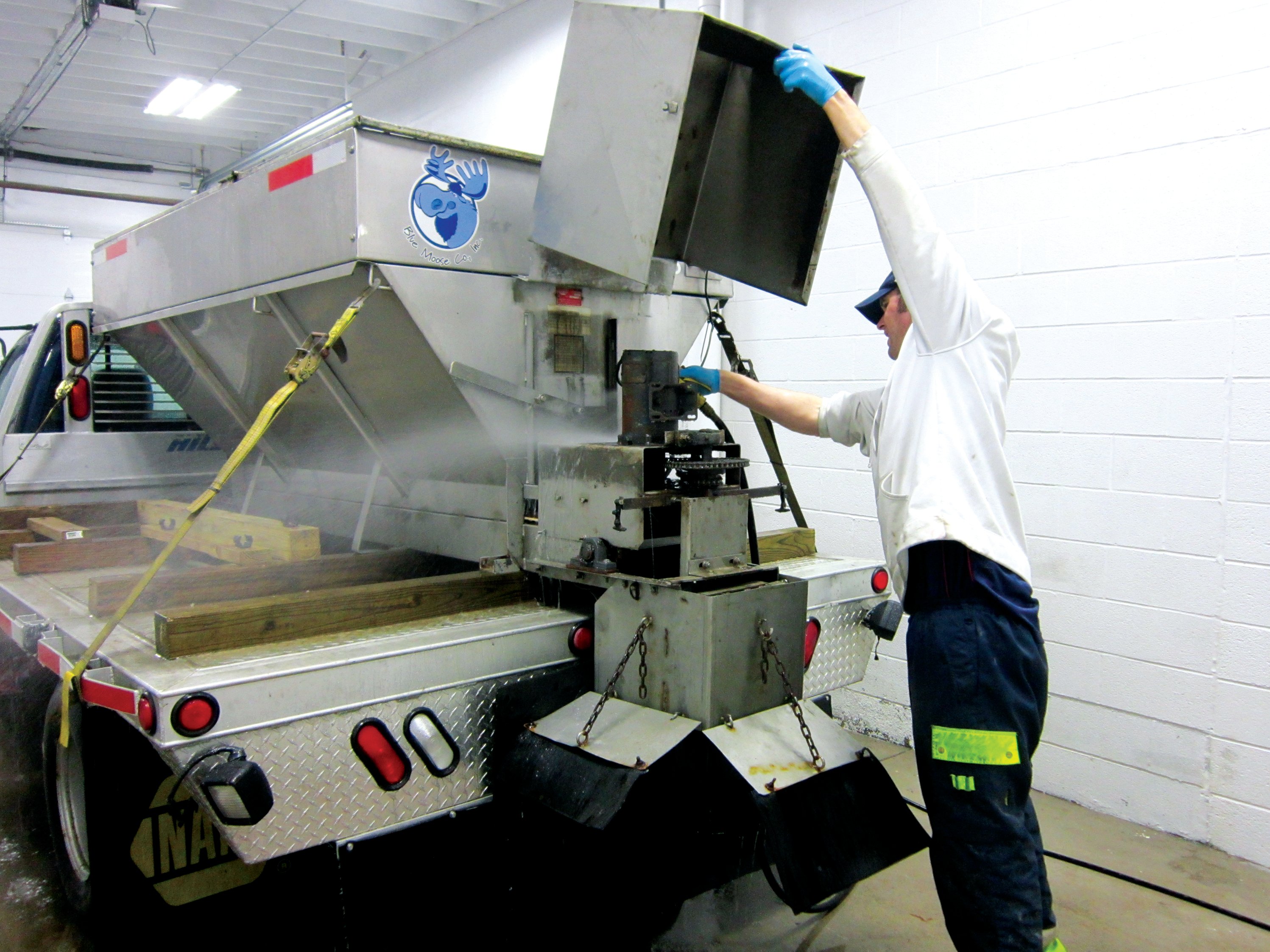
Essential preseason prep for snow removal equipment
Operations
Proactive fleet maintenance can head off equipment issues in the field
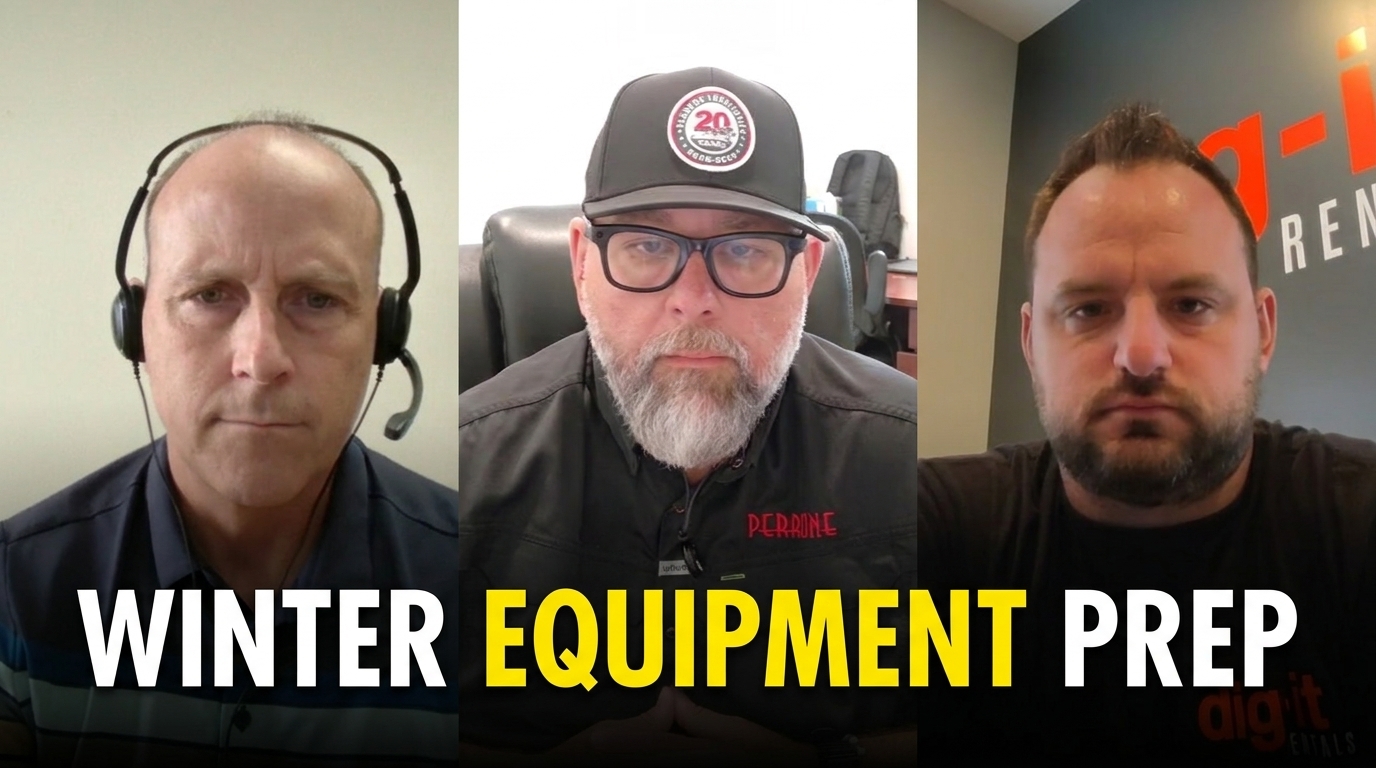
Essential preseason equipment planning
Operations
True winter readiness requires foresight, standardization, and workforce management
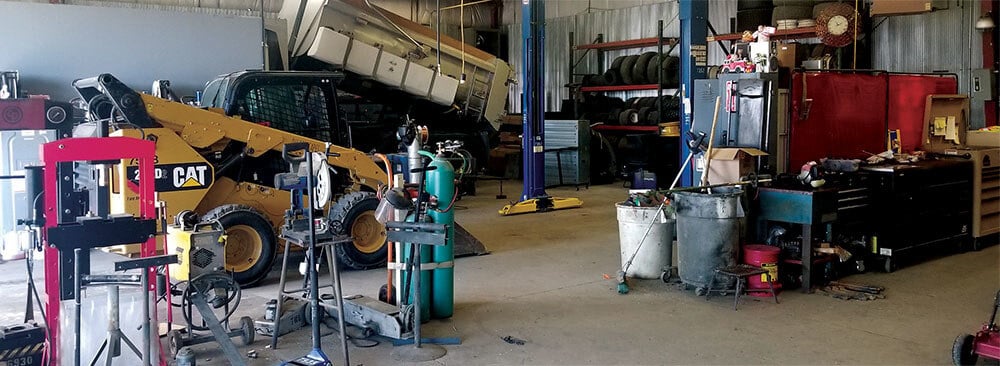
Shop talk
Operations
Establish a foundation for equipment health and maintenance.