
11 - Hero Full

Selecting the right snow equipment can boost efficiency and ROI
Snow Business Magazine
Snow Business Magazine
Tips for choosing the right snow equipment
In the snow industry, having flashy equipment might turn heads, but remember: every plow and blower on your lot isn’t just a badge of honor—it’s also a line item on your overhead. Stack up too much iron, and suddenly your “cool factor” comes with a chill on your bottom line. Choose wisely, and let your equipment work for your business—not the other way around.
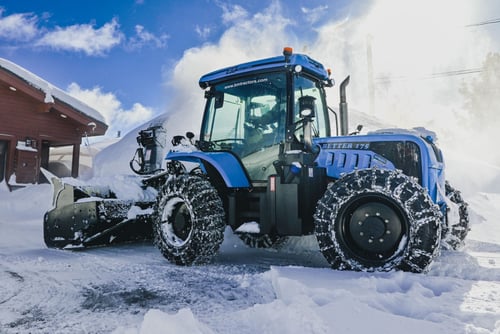
Assessing Property Types and Specific Needs
- Understand the Property Type: The type of property significantly influences the equipment required. Commercial properties may need heavy-duty snow removal equipment, while residential areas might only require smaller plows or snowblowers. Evaluate the property size, layout, and specific needs before making any decisions.
- Client Requirements: Some clients may have specific requirements for dedicated equipment for their site(s). This can impact the type and capacity of equipment you need to have on hand.
- Customization: Tailor your equipment choices to the specific demands of each property. This ensures that the equipment can handle the expected workload effectively and efficiently.
Understanding and Managing Equipment Capacity
- Capacity Planning: As you build your customer portfolio, it's crucial to understand your operational capacity. Ensure that you have enough equipment to meet your contractual obligations without overburdening your resources.
- Capacity Reserves: Factor in capacity reserves to handle unexpected breakdowns or spikes in demand. This helps in maintaining uninterrupted service levels during peak winter conditions.
- Scalability: Choose equipment that can scale with your business growth. This means investing in versatile and reliable equipment that can adapt to increasing workloads over time.
Budget-Friendly Strategies for Equipment Acquisition
- Leasing and Renting: If you're starting out or have limited financial capital, consider leasing or renting equipment. This is especially beneficial for equipment that is only needed during winter operations.
- Used Equipment: Purchasing used equipment can be a budget-friendly strategy. Ensure that any used equipment is thoroughly inspected and maintained to avoid unexpected breakdowns.
- Cost Efficiency: Explore options that provide the best value for money without compromising on quality. This includes looking for deals, discounts, or financing options that make equipment acquisition more affordable.
Evaluating Multi-Season vs. Snow-Only Equipment
- Multi-Season Equipment: If you have other business lines that utilize the same equipment as in the winter, it might be wise to invest in multi-season equipment. This approach helps keep initial costs down and maximizes the return on investment.
- Snow-Only Equipment: In certain instances, snow-only equipment might be necessary based on the property type, size, and complexity. Evaluate the specific needs of each property to determine whether multi-season or snow-only equipment is more appropriate.
- Investment Planning: Consider the long-term benefits and costs associated with each type of equipment. Make informed decisions based on the overall impact on your business operations and growth.
Standardizing Your Equipment Fleet for Efficiency
- Brand and Type Standardization: As you build your fleet, consider standardizing the brands and types of equipment you purchase. This makes maintenance, parts stocking, and employee training more efficient.
- Operational Uniformity: Standardization helps streamline operations, reducing the complexity of managing different equipment types. This leads to a more organized and effective workflow.
- Employee Training: With standardized equipment, training employees becomes easier and more consistent. This ensures that all operators are well-versed in handling the equipment, reducing the risk of accidents and errors.
08 - Featured Blog Post
Related Articles
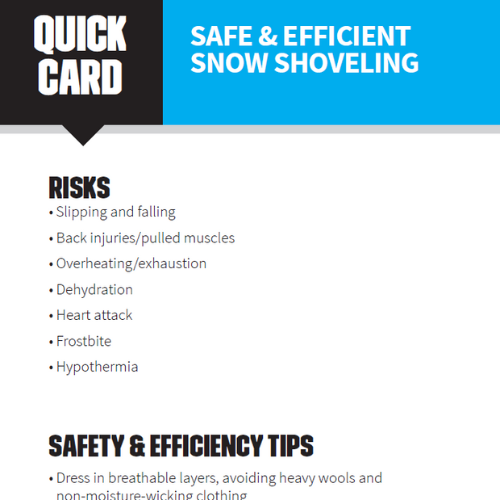
Essential job safety analysis for snow removal operations
Operations
A job safety analysis helps prevent accidents and promotes a culture of safety.
Read more

Building a Safety Culture: Essential for Snow Management Owners
Take a safety first approach in winter services
Read more
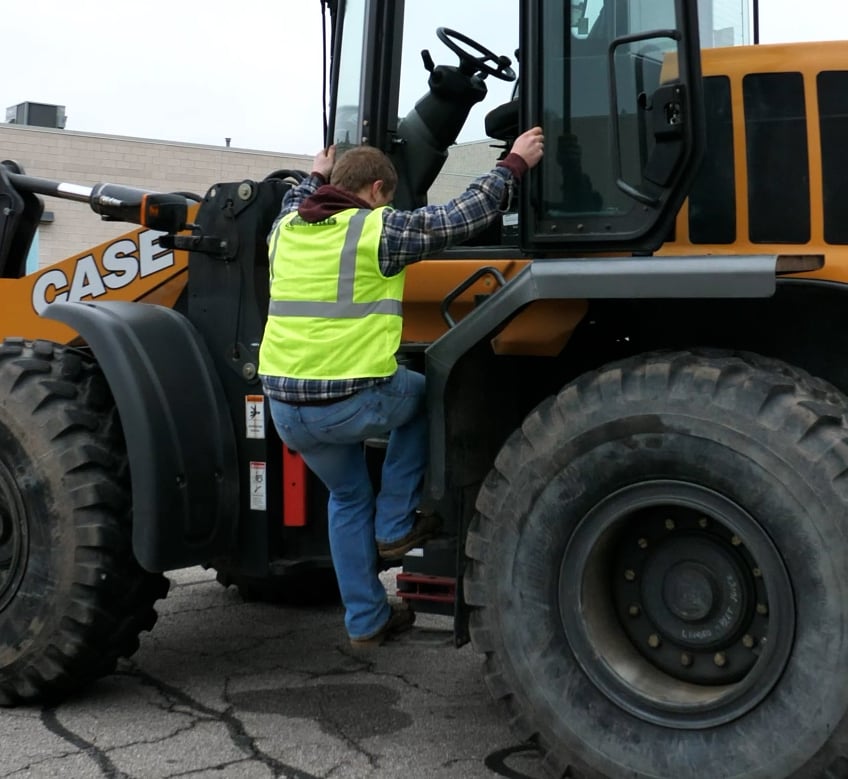
Prevent Snowplow Injuries with Ergonomic Best Practices
Operations
Focus on ergonomics to reduce the risk of injuries
Read more