

Michael Wagner, CSP, ASM
Learning how to properly manage your winter equipment lifecycle can pose challenges, but there are strategies that can help
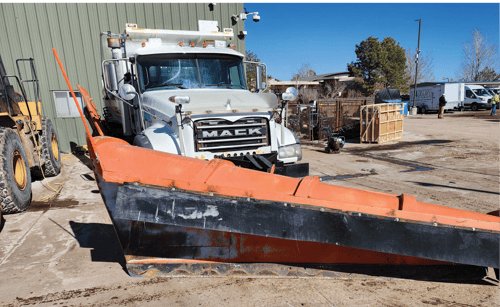
Three crucial considerations
No matter how the company performs business throughout the year, it is important to consider three important points when creating a vehicle and equipment management plan:
- Lifecycle planning
- Standardizing vehicles and equipment
- Evaluation and improvement
Managing equipment properly and effectively can be a great challenge for snow and ice management companies. Challenges and purposes for focused equipment management can stem from:
- financial and budgetary planning;
- operational challenges or procedures;
- contract variances and needs; and
- resource availability and support.
Companies that perform only snow and ice management work can be solely focused on managing their fleets for winter operations, while those that also work in the green industry, or perform other different types of seasonal services, must consider how their vehicles and equipment are utilized and cycled year-round.
Lifecycle planning
Within lifecycle planning for fleets of vehicles and equipment, it is important to focus on areas such as financial planning, asset utilization and replacement strategy.
Financial planning can be one of the most challenging, yet integral parts of any organization's processes. It is critical to understand where you are as a fleet or in managing your current equipment. Fleet composition (types of vehicles and equipment), asset count, asset value, asset life (in years) and asset costs are important data points that will help you understand the big picture as you plan for replacements, consider operational needs and set budgetary goals.
People sometimes think that asset utilization focuses strongly on the numbers. While numbers and values provide important insight, to get a holistic view of your winter equipment you need to also gather quantitative and qualitative data (see "Equipment Data Comparison" below).
Lastly, identify your current replacement strategy, followed by "how" you want your replacement strategy to work. Within a replacement strategy, you're going to look at how these processes are currently performed while factoring in the quantitative data that is shown in the chart above.
Look at vehicle and equipment lifecycle costs, miles, hours, age and residual values. Managing a vehicle replacement program can be a delicate art, since you're trying to determine when equipment is beneficial to sell and purchase new, while not sacrificing large amounts of capital, as well as not holding onto assets so long they become a financial and operational burden.
Vehicle and equipment standardization
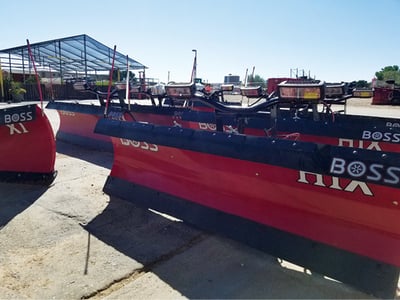
Standardizing your equipment is critical to improved operational efficiencies, better supplier discounts and pricing, improved mechanic diagnostics and repair times, and operator consistency.
The first part of this process is to document your current asset makeup. This can include classifications or types, manufacturers, size, attachments, accessories and more. For instance, if you have an entire fleet made up of different manufacturers, sizes and types of front mount snowplows, list these in groups based on the criteria above. Same goes for heavy equipment, vehicles, ATVs, UTVs, snowblowers, etc. Once you have an idea of how standard, (or not standard) your fleet is, you can create a plan for greater standardization as you move assets through their lifecycle.
Next, draft a plan or strategy for what you want the fleet to look like. Do you want one manufacturer for all vehicles, snowplows or heavy equipment? If you don't, are there specific front-end loaders you want and specific vehicles? Are there certain UTVs and ATVs that you think work best for your fleet? Whatever your choices may be, list how you want your standardization plan to conclude after you work through replacements.
The last part of standardization is creating standard specifications. Don't purchase five different skid steers for snow and ice removal with different joystick configurations, engine sizes, hydraulic drive options, variable cab options, etc. Keep consistent, and purchase replacement equipment within the guidelines you set. Not only does this make the purchasing and specification process easier, but operators aren't challenged with a large variance of equipment options. Plus, purchasing parts, filters, oils, or even diagnostic tools becomes simpler and reduces costs.
Evaluation and improvement
The final (but not conclusive) step in navigating the winter equipment lifecycle is evaluating what you're doing now and finding ways to continuously improve your processes. No change will be perfect, and you will certainly run into challenges along the way.
Say for instance you've made it a practice to only purchase assets with cash, and yet you realize that you don't have the means to buy a particular piece of new equipment exactly when you need it. Does this mean you can't do anything or make any changes? Does this mean you can't purchase equipment? No, you don't need to throw your hands in the air. There may be other options for renting, leasing, and loaning vehicles and equipment, or options in remarketing and purchasing. This is why it is important to evaluate what you're doing, and what also may be able to be done.
Improving what you do is a natural part of successfully managing any fleet of vehicles and equipment. You are not only looking to improve your equipment, utilization data, finances, profits, etc. You're identifying ways to increase your operational efficiency and effectiveness regarding finances, operator need, contractual and work opportunities, and more.
Don't ever think that you have your winter equipment lifecyle management program dialed in to the point where you don't need to change or improve. With evolving regulations, environmental challenges, workforce challenges and an increase in competition in the marketplace, properly managing your fleet can have a positive impact on all of these worries.
Concluding your plan
Learning how to properly manage your winter equipment lifecycle can pose challenges. But following the steps in this article can help you to understand your fleet, guide your plans on replacing it, and hopefully inspire you to continuously evaluate and improve your management and operations. As the old saying goes, you can't change what you don't know.
Equipment data comparison
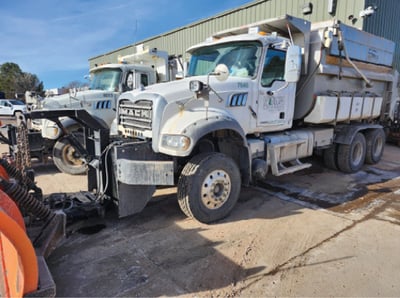
Quantitative data
For quantitative data, gather information such as:
- Percentage of run time of vehicles, equipment, and other assets
- Percentage of idle time of vehicles, equipment, and other assets
- Hours or miles operated annually
- Age of equipment or time in fleet
- Costs to operate and maintain vehicles and equipment
Qualitative data
For qualatative data, focus on:
- What the equipment is being used for
- What type of work is being performed with the equipment
- What equipment and vehicles are needed for current operations and contracts
- Areas where you can improve utilization of existing vehicles and equipment
Michael Wagner, CSP, ASM is director of operations at Designscapes Colorado Inc. Contact him at mwagner@designscapes.org.
Related Articles
Fuel for thought
Operations
Review pros and cons of different fuel management options and ways to deter theft.
Winter's coming ... is your snow fleet ready?
Operations
Plan now to make sure your snow fleet is ready before you need it
Review equipment and materials to make better decisions next season
Operations
Complete a season-ending asset review