

Setting up your snow operations for success
Snow Business Magazine
Preseason snow equipment planning is key
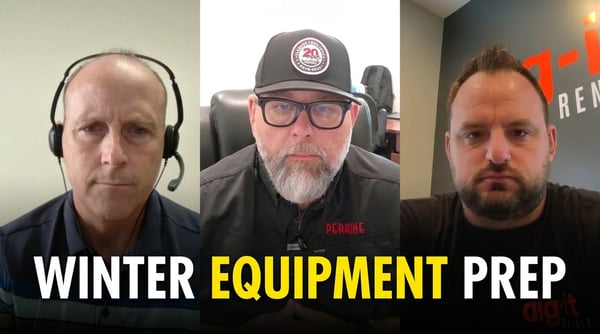
For snow and ice management professionals, winter preparation isn't a task to leave for the first frost. Proper preseason planning is the dividing line between a profitable, smooth-running season and a chaotic scramble. In the September episode of SIMA’s Snow Talk podcast, JP Sanieski, CSP, ASM of Perrone Landscaping and Anthony Brown of Dig-It Rentals shared that true winter readiness requires strategic foresight, strict standardization, and realistic workforce management.
Preseason Actually Starts in April
The foundation of a successful winter begins the moment the previous season ends. Sanieski and Brown emphasize that demobilization is the first step of preseason planning.
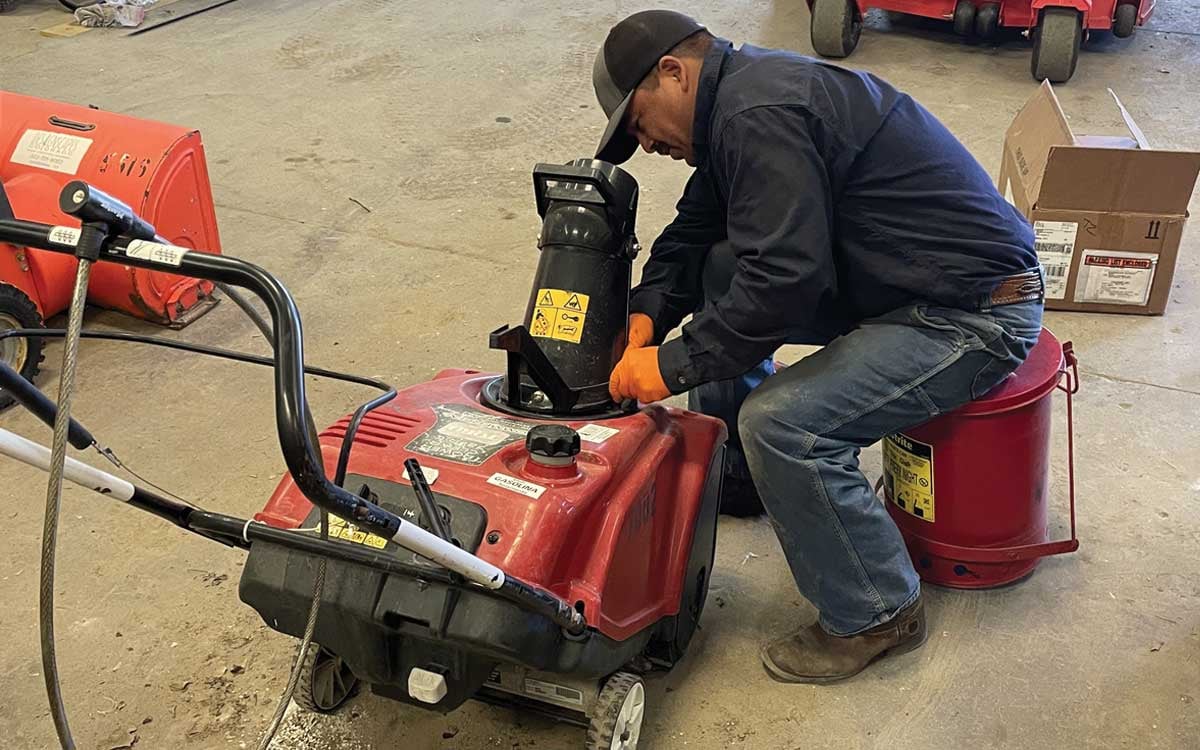
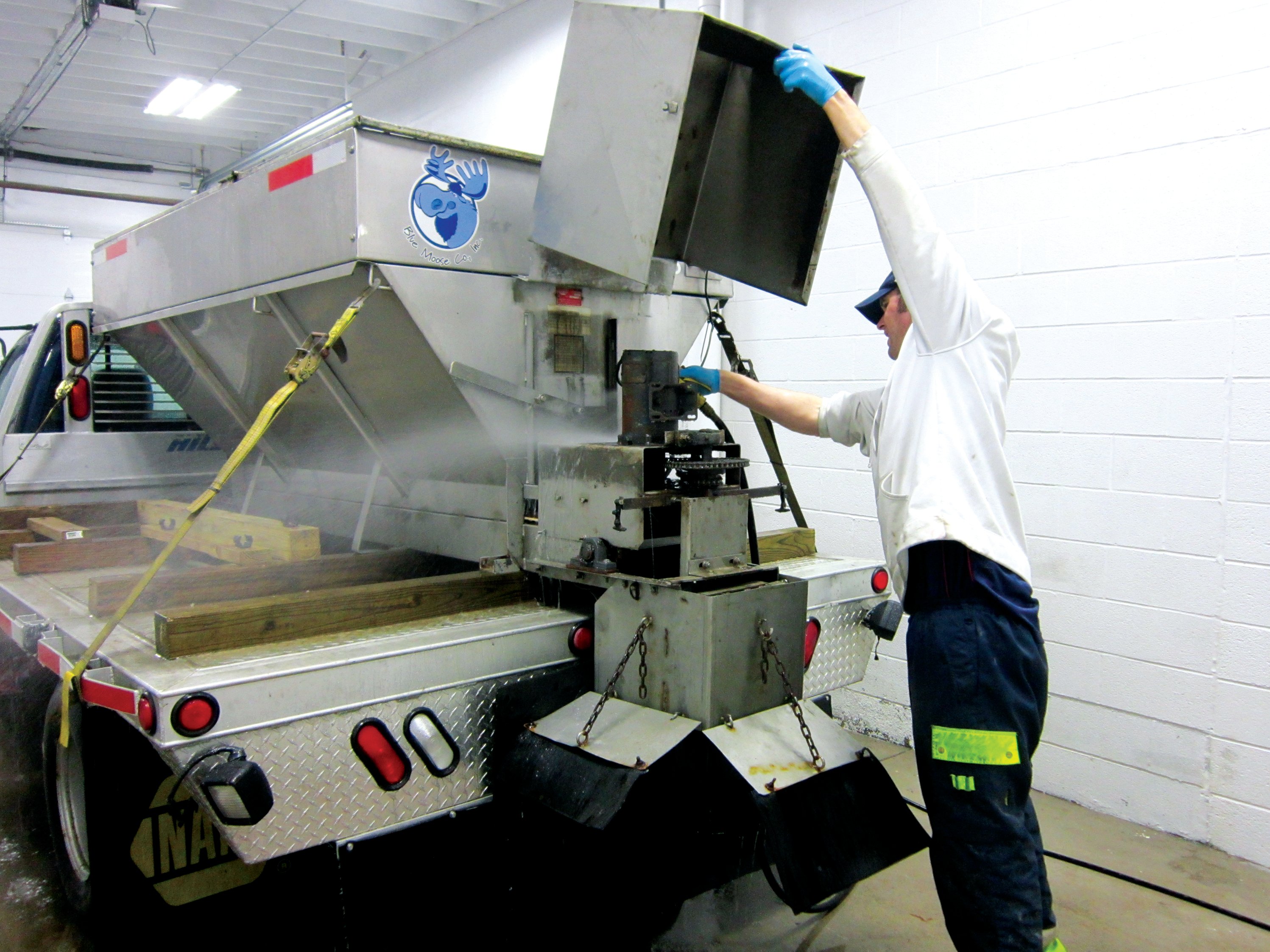
Sanieski notes that his team begins winterizing and demobilizing equipment by mid-April. Mechanics rigorously inspect, clean, touch up paint, drain fluids, and repair winter-dedicated equipment before tucking it away in dry storage. This ensures that when autumn rolls around, the equipment is virtually ready to go. Sanieski aims to have all winter prep completely finished by September 15.
Brown follows a similar trajectory, bringing equipment back to a holding yard for immediate inventory and assessment. His team tackles fuel treatments, checks cutting edges, and contacts dealers to handle any necessary warranty work immediately. By managing repairs and ordering parts right after the season ends, operators avoid the autumn supply chain rush.
Standardize Your Fleet
If there is one golden rule to take away from both experts, it is the importance of equipment standardization.
Sanieski advises against diversifying equipment too much. Sticking to two or three consistent brands for plows, loaders, and sidewalk equipment ensures that mechanics aren't overwhelmed trying to learn multiple systems or stock a massive variety of proprietary parts.
Brown agreed, noting his company standardizes their entire fleet down to the specific model, size, and operating specs. Because every loader or skid steer operates identically, operators can be swapped between sites without a learning curve. Furthermore, standardizing allows for streamlined maintenance; Brown's team can keep entire shipping containers stocked with uniform cutting edges, electrical components, and hoses, enabling lightning-fast repairs during a storm.
Strategize Your Staging and Backups
When the snow starts falling, logistics can make or break an operation. Both agree that staging equipment on job sites is key if possible. For zero-tolerance commercial sites, having dedicated loaders and pushers on-site ensures immediate service.
However, equipment breaks down, making backup plans essential. Sanieski ensures there is a redundancy for everything—extra plows, salters, and skid steers—staged either at the shop or staffed at key locations.
Brown highlights a critical management strategy during these high-stress events: keep managers managing. While it is tempting to equip area managers with plows so they can jump in and help, Brown noticed this often results in managers getting bogged down in physical labor at a single site for hours. By removing plows from management trucks, managers are forced to focus on their actual job—directing teams, facilitating workflow, and overseeing multiple properties.
Don't Underprepare or Overpromise
A mild winter can create a false sense of security, leading contractors to take on more work than they can handle. When a two-foot blizzard hits, underprepared companies often fail.
Brown operates by a simple motto: It is better to be overprepared than underprepared. This applies to parts, equipment, and client acquisition. Both he and Sanieski stress the importance of knowing your company's threshold. Instead of taking on 100 new accounts just for the guaranteed revenue, it is better to take on 20, service them flawlessly, and build long-term trust.
This preparation extends heavily to the workforce. Finding reliable operators and shovelers who can endure 12-to-24-hour storms is challenging. Preseason planning must include vetting employees, structuring adequate relief shifts, and strategically pausing operations during lulls to prevent total workforce burnout.
Conclusion
Preseason planning is far more than just signing contracts by September. It’s a year-round commitment to maintenance, fleet standardization, logistical staging, and honest self-assessment. By adopting these expert strategies, snow management companies can confidently face whatever Mother Nature throws their way.
Listen to the entire podcast at sima.org/podcast.
Related Articles
Review equipment and materials to make better decisions next season
Operations
Complete a season-ending asset review
Essential preseason prep for snow removal equipment
Operations
Proactive fleet maintenance can head off equipment issues in the field

Empowering snow professionals to lead effective operations
Operations
Take charge of decision-making to ensure efficient and safe snow management operations