

Bundled agreements offer myriad benefits if you can manage the challenges that come with them
Mike McCarron
Combined snow and grounds maintenance contracts create tremendous opportunities, but they also demand consistency
In the green industry, few opportunities are as attractive as securing a property's snow and ice management contract and its year-round grounds maintenance services.
These bundled agreements offer contractors increased revenue, stronger customer relationships, and the opportunity to become a true partner rather than just another vendor.
However, these contracts come with a unique challenge that many contractors learn the hard way: Performance in one season directly impacts the other. A poor snow season can cost you a lawn maintenance contract, while a disappointing landscaping season can put your snow business at risk. When both services are tied together, contractors are constantly evaluated over a 12-month cycle.
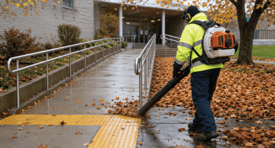
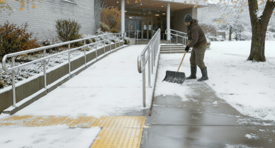
The benefits of bundled contracts
From a client's perspective, having one contractor handle all exterior maintenance simplifies operations. There is one point of contact, one management team and a greater sense of accountability. Property managers appreciate working with a company that understands the property's needs year-round.
For contractors, the advantages are significant. Combined contracts increase annual revenue per customer, improve retention rates and create opportunities to build long-term relationships. They can also help stabilize the business by providing work throughout the year rather than relying on a single season for profitability.
When managed properly, these contracts often become some of the most profitable and longest-lasting relationships in a contractor's portfolio.
The year-round evaluation process
The biggest difference between bundled contracts and standalone agreements is that there is no separation between seasons.
With separate contracts, a client may evaluate landscape maintenance and snow management independently. However, when the same contractor provides both services, every interaction influences the client's overall perception of the company.
A property manager doesn't stop thinking about your landscaping performance when winter arrives. Likewise, the manager doesn't forget how you handled a major snow event when reviewing the maintenance contract in the spring.
Every mowing visit, pruning project, fertilization application, snow event and ice treatment contributes to an ongoing report card that can ultimately determine whether the entire relationship continues. Many companies don't do well under this type of weekly review.
When snow season becomes the problem
Snow and ice management often carries the highest level of risk because safety is involved. Property owners depend on contractors to keep parking lots, sidewalks and entrances accessible and safe during winter weather.
When snow operations fail, the consequences are immediate. Complaints come quickly when lots are not plowed on time, sidewalks remain slippery, or ice control is inadequate. Property managers feel pressure from tenants, visitors, employees and customers.
Even if a contractor delivered outstanding landscape services during the previous spring, summer and fall, a poorly managed snow event can quickly damage the relationship.
Clients often ask themselves a simple question: If a contractor can't keep the property safe during a winter storm, can they really trust that company with the rest of their exterior maintenance needs?
Unfortunately, one difficult winter can place the entire account at risk.
The risk of poor landscape maintenance
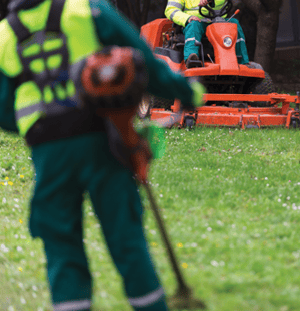
While snow management failures are often dramatic, problems during the growing season can be just as damaging.
Poor mowing quality, missed trimming, inconsistent site appearance, weed issues and declining property conditions create a gradual loss of confidence. Unlike a snowstorm that may create immediate complaints, landscape issues often build over time.
The client begins questioning whether the contractor is paying attention to details. Over several months, trust begins to erode.
By the time winter arrives, the client may already be considering alternative contractors. At that point, the snow contract becomes vulnerable regardless of how well winter services are performed.
Contractors must remember that clients often view service quality as a reflection of the company's overall professionalism. Poor performance in one area can create concerns about performance in every area.
The right people matter
Another challenge of bundled agreements is that landscape maintenance and snow management require different operational approaches.
Landscape maintenance relies on predictable schedules, planned routes and routine service delivery. Snow operations are exactly the opposite. They require rapid response, overnight work, weather monitoring, emergency staffing and constant decision-making.
Many companies excel at one discipline but struggle with the other.
A contractor with excellent mowing operations may have difficulty responding effectively during large winter storms. Likewise, a company known for exceptional snow response may not have the quality control systems necessary to deliver premium landscape maintenance.
Successful contractors recognize that bundled agreements require excellence in both areas. Weaknesses cannot be hidden when a client depends on the same provider all year long.
Communication is critical
One of the most effective ways to strengthen year-round relationships is through communication.
Clients want to know what is happening on their property. Regular site reviews, property inspections, and proactive conversations help build confidence and trust.
During snow season, communication becomes even more important. Clients appreciate storm updates, service notifications and timely responses to questions or concerns. A contractor who communicates effectively often earns more patience when unexpected challenges arise.
On the other hand, poor communication can damage relationships even when service quality is acceptable. Clients prefer hearing about issues before they become problems that they discover on their own.
The rewards for getting it right
Despite the risks, bundled snow and grounds contracts remain one of the best opportunities for contractors looking to build long-term, profitable relationships.
When quality service is delivered throughout the year, trust grows with every season. Good landscape maintenance creates confidence heading into winter. Strong snow performance reinforces confidence when spring arrives for property managers and building owners.
Over time, the contractor evolves from being simply a vendor to becoming a trusted partner responsible for the property's appearance, safety and overall condition.
These relationships often result in contract renewals, expanded scopes of work, referrals and increased profitability.
You decide
Combined snow and grounds maintenance contracts create tremendous opportunities, but they also demand consistency. Contractors must understand that every service visit, every storm response, and every interaction contributes to a year-long evaluation process.
Success requires maintaining high standards during both the growing season and the winter months. It requires strong communication, reliable operations and a commitment to quality regardless of the time of year.
The contractors who thrive with bundled agreements understand a simple truth: They are not managing two separate contracts. They are managing one 12-month relationship.
When that relationship is cared for properly, both contractor and client win. When one season is neglected, however, the entire partnership can quickly be put at risk.
In this business, there is no offseason. Every day matters, and every season sets the stage for the next. Train your team year-round as if nothing stops. You will be glad you did as the seasons change quickly from snow to grounds because your team will be ready.
Mike McCarron is president and founder of Image Works Landscape Management, a commercial landscape maintenance and snow removal firm in the Northern Virginia market. He has 20+ years of industry experience. Email him at mike@imageworkslandscaping.com.
Related Articles

Early snow contract renewals
Business
Secure next season's contracts early to avoid risk later

Don't slip on faulty ice contract language
Risk Management
It is critical for contractor responsibilities to be clearly spelled out in written contracts.
-1.jpg?width=514&height=327&name=039-01%20(1)-1.jpg)
Hidden figures
Business
Consider all the behind-the-scenes costs when budgeting and pricing winter work.