

Surcharges and fuel-saving strategies for winter operations
Snow Business Magazine
Contract language, ops efficiencies can help offset rising diesel costs
A brutal combination of global supply shortages, refinery disruptions and major geopolitical conflicts has pushed diesel prices to record highs. As of Sept. 23, the average diesel price in the US rose to $6.53/gallon and $2.75/liter in Canada.
While the blockade of the Strait of Hormuz is affecting all forms of fossil fuel, diesel supply is being hit especially hard given key refineries in the Middle East and Eastern Europe (primarily Russia, which is the world's leading exporter of diesel) are offline or have been destroyed.
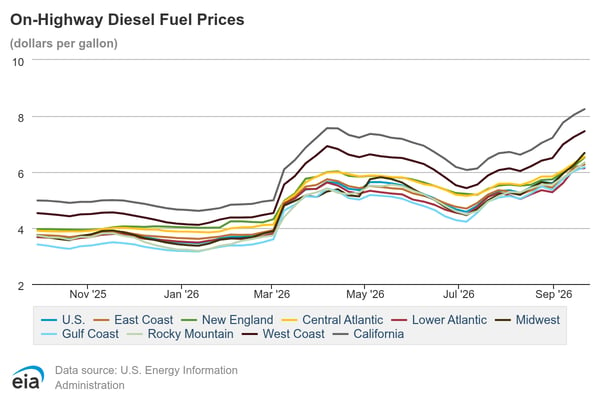
According to the US Energy Information Administration, the nation’s diesel supply will drop below 100 million barrels this month and will remain below the five-year low through much of 2027. It also expects global production to remain low, which will contribute to lower inventories and higher prices.
As the winter season approaches, snow removal companies have contractual and operational options to help protect costs from the spikes:
Fuel surcharges
SIMA has customizable US and Canadian fuel surcharge templates that can be added to contracts. If adding a surcharge be transparent with our customers as to why the language is being added. SIMA members can download the template from the Advanced Contract Clauses.
Operational adjustments
Now is the time to dial in the details and reinforce with your team how they can help save fuel:
-
Eliminate quick starts. Train drivers to avoid quick "jackrabbit" starts to save fuel, improve efficiency, and reduce wear on equipment.
-
Watch your speed. Obeying the speed limit is one of the most effective ways to increase fuel efficiency. Driving fast, aggressively, or with sudden stops and starts wastes fuel.
-
Maintenance. Regular maintenance cuts downtime and saves fuel. Check tire pressure before storms, clean air filters, and inspect fuel lines for leaks.
-
Reduce idling time. Set a company standard to reduce idling time. Any idling over 2 minutes wastes fuel and money, so shut off the engine during long waits. Additionally, parking in the shade prevents fuel evaporation and keeps vehicles cool.
-
Limit 4WD. When possible, drive and plow in 2-wheel drive. Leaving 4WD engaged burns excess fuel.
-
Lighten your load. Hauling extra weight reduces fuel efficiency. Look at how much ballast you carry.
-
Reduce travel time. If possible, dedicate equipment to a site to minimize the need to trailer it to and from your headquarters and site to site.
-
Tighten your routes. Optimize route density and planning to reduce travel time, minimize crisscrossing, and save fuel.
Related Articles

Essential preseason equipment planning
Operations
True winter readiness requires foresight, standardization, and workforce management
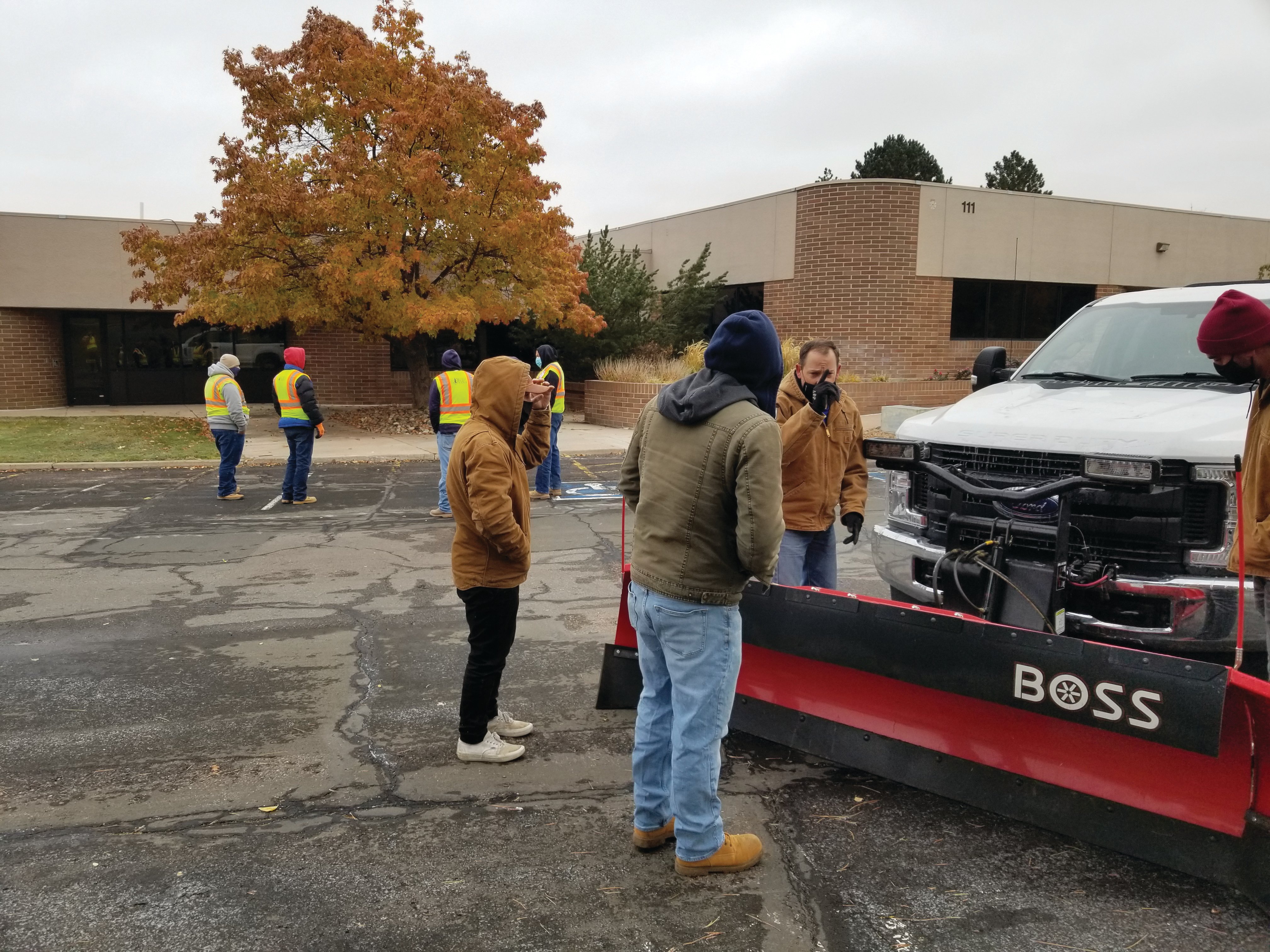
Maximize Snow Management with Preseason Field Trips
Operations
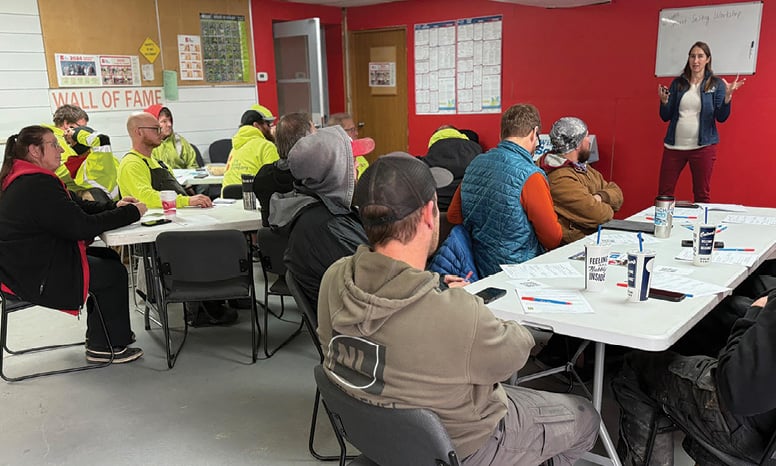
After-action reviews in snow operations
Operations
After-storm reviews give snow and ice teams a way to learn from each event