

Mike McCarron
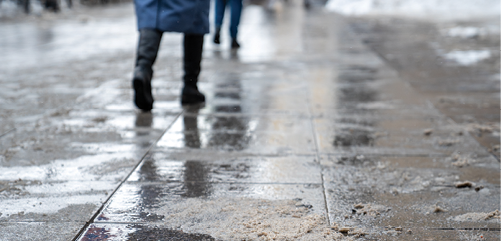
One of the simplest tools to strengthen your snow and ice service documentation is a handheld temperature gun
As snow and ice contractors expand their service areas, the gap between forecasted conditions and actual on-site conditions can also grow. It's common for one property to receive several inches of snow while a location just minutes away gets almost nothing. These micro-climate differences can create confusion for clients and inconsistencies in invoicing unless your team documents conditions accurately and consistently.
One of the simplest tools to strengthen your documentation is a handheld temperature gun. For about $30 at any hardware store, every truck and supervisor can carry a device that provides real-time, site-specific data that no weather app can match.
Why this documentation matters
Slip-and-fall claims, invoice disputes and service questions are part of the industry. When these situations arise, strong documentation is your best defense. Temperature readings paired with photos and notes provide:
- proof of on-site conditions;
- justification for material usage;
- evidence of industry-standard practices; and
- support for your operational decisions.
Courts and insurance adjusters rely heavily on objective data. A simple temperature reading can validate why your team treated a site — or didn't.
Small tool, big impact
A temperature gun is inexpensive, easy to use and incredibly valuable. When every crew uses the same process, your documentation becomes consistent, accurate and defensible. It strengthens client trust, improves software accuracy, and protects your company when conditions vary across your service area. In a business where weather changes block by block, temperature guns are one of the most reliable tools you can carry.
A simple, consistent workflow
Integrating temperature readings into your service routine is easy and adds only a few minutes to each visit. Here's a streamlined process your crews can follow:
- Arrival photos: Take clear, time-stamped photos of the site before any work begins. Capture sidewalks, parking lots, entrances and any visible accumulation or icing.
- Initial temperature reading: Use the temperature gun to measure pavement and sidewalk temperatures. Record readings immediately in your software.
- Review site notes: Check for special instructions, known problem areas or client preferences before starting work.
- Perform assigned tasks: Complete plowing, shoveling, deicing or other services as required.
- Completion photos: Take follow-up photos showing cleared and treated areas. These images confirm the quality and completeness of your work.
- Final temperature reading: Before leaving, take another set of temperature readings. This helps document whether conditions improved, worsened or require follow-up monitoring.
Why ground temperature matters
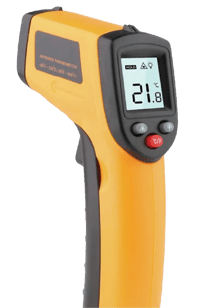
Air temperature alone doesn't tell the full story. Pavement and sidewalk temperatures determine:
- whether snow will bond to the surface;
- how quickly ice forms;
- how well deicers will perform;
- whether refreeze is likely; and
- whether service is necessary at all.
Ground temperature can be several degrees warmer or colder than the air, especially near buildings, shaded areas or high-traffic zones. Recording these readings helps justify your decisions and supports your documentation in case of disputes.
Mike McCarron is president and founder of Image Works Landscape Management, a commercial landscape maintenance and snow removal firm in the Northern Virginia market. He has 20+ years of industry experience. Email him at mike@imageworkslandscaping.com.
Related Articles

Managing irate snow removal customers
Business
Tips on handling the inevitable cranky snow services client
Keep sales, operations, and contracts in sync
Operations
Aligning sales, operations, and admin is mission critical.
Subcontractor playbook
Operations
Outsourcing to trusted partners can help with business growth