

Develop and manage an industry-leading training program
Michael Wagner, CSP, ASM
Focus on snow safety with new and repeating training initiatives
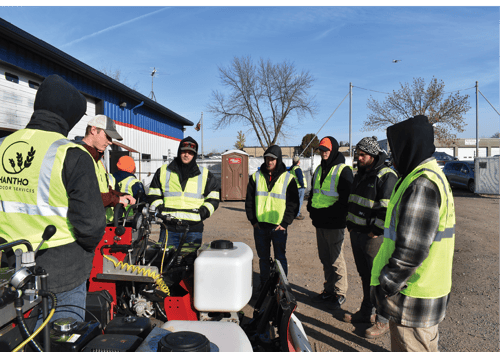
Most organizations place a focus on safety with new and repeating training initiatives every year. There is a never-ending pursuit to always enhance your safety program, reduce claims, prevent incidents, and train people on how to effectively and correctly perform their jobs.
For those who have undertaken this task, you know there are many challenges along the way; and sometimes it can be very difficult to manage the different processes, people and expectations that come with it. On the other hand, there may be those who are interested in the topic or appointed to making these changes and improvements, and are going to take the time to develop and enhance a successful safety training program.
Safety training program areas
To properly evaluate your training needs, you must first create a list or resource guide of the types of work you perform. For the snow and ice management industry, many of the common service offerings and personnel tasks include:
- Walkway clearing and treatment
- Snowplowing roadways, parking lots and driveways
- Treating surfaces with anti-icing and deicing materials
- Snow pushing and removal that requires heavy equipment and a variety of attachments
- Developing site plans and various levels of service
- Communicating objectives with prospective and current clients
- Monitoring and managing weather trends, forecasting and current environmental conditions
This is not an exhaustive list but highlights the key objectives in acquiring the work, preparing and aligning your operational needs and physically performing the work when the weather calls for it.
Within these program areas, you must understand how each service offering must be performed and with what resources, then create a training plan for each role and operation.
Look at the duties and tasks that are involved in each role, so that you can create a training plan that also identifies key industry resources, training offerings and courses that may already be developed. Finding and incorporating training resources can save your organization a tremendous amount of time as well as reduce the financial commitment and long-term planning of creating, managing and storing massive amounts of content and materials.
A highly effective solution is to find industry resources that cover most, if not all, of the responsibilities and tasks that may be relevant to your staff, then focus on the small differences in hands-on and live training.
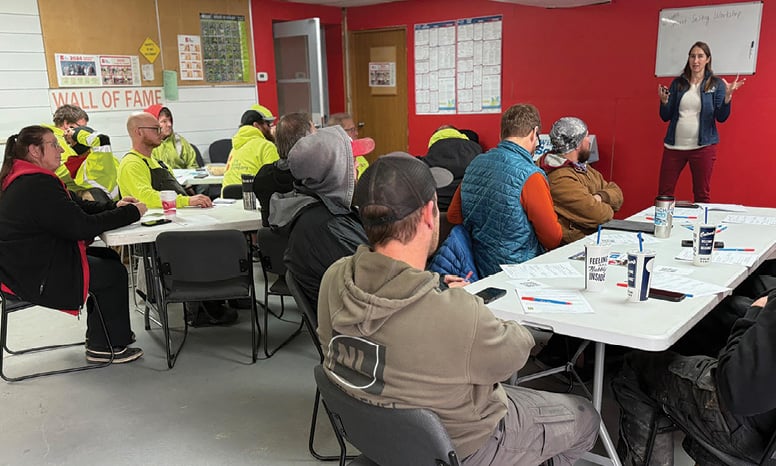
Classroom or digital training
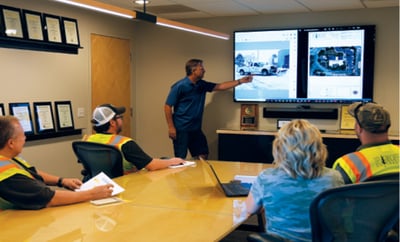
Have an inclusive training program that combines classroom, hands-on and live training. Don’t just stick to one, since only one type will not prepare your staff for the expectations of a winter weather event.
For classroom and hands-on training, find digital learning content that is already available or content that you can use in smaller groups where it takes about 2-3 hours to complete. Sometimes this training format can lose its appeal if it is 4 or more hours. Focus on the attention of the person and their participation level, and conduct knowledge checks.
It is extremely important to cover the foundations of knowledge in classroom or digital trainings, which highlight the expectations, operational knowledge, and skill building that may be applied in hands-on and live training.
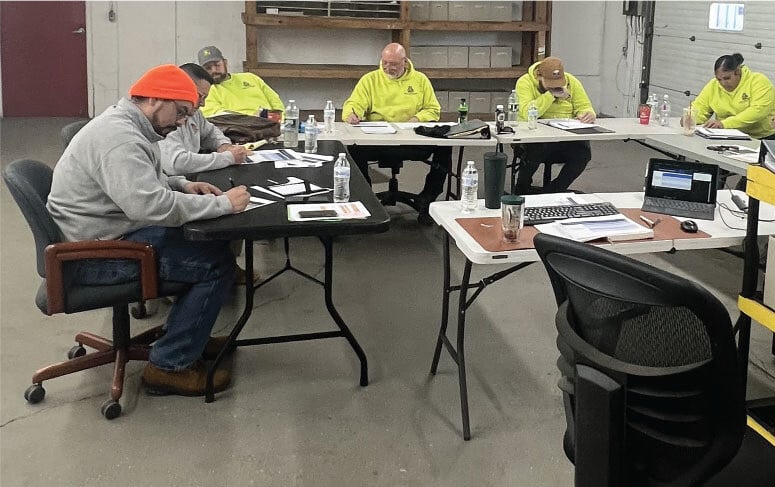
Hands-on training
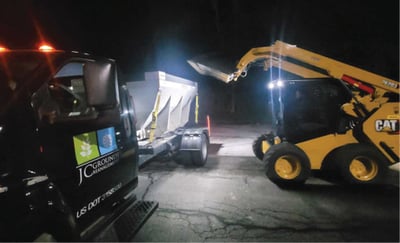
Have an inclusive training program that combines classroom, hands-on and live training. Don’t just stick to one, since only one type will not prepare your staff for the expectations of a winter weather event.
For classroom and hands-on training, find digital learning content that is already available or content that you can use in smaller groups where it takes about 2-3 hours to complete. Sometimes this training format can lose its appeal if it is 4 or more hours. Focus on the attention of the person and their participation level, and conduct knowledge checks.
It is extremely important to cover the foundations of knowledge in classroom or digital trainings, which highlight the expectations, operational knowledge, and skill building that may be applied in hands-on and live training.
Live training
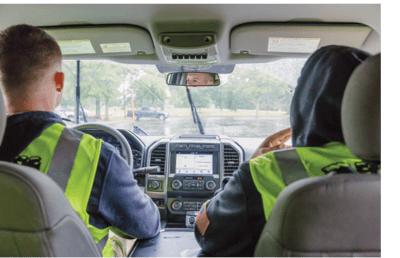
Now it’s time to take it to the streets! This activity could be incorporated in the same day of training, or it may be completed on a follow-up day when the vehicles and equipment are properly inspected, snowplows are mounted, and any other equipment and supplies are prepared for a test run.
It is important to take all personnel to their respective work sites or client properties. Walk through the property with site maps and plans, and any training material you will want to reference while discussing specific operations, safety and risk hazards, or personnel planning and sequencing.
Visit all sites that the group, team or employees are responsible for, and perform the same walkthroughs, dry runs, and processes for each so that all training points are reiterated and covered, as well as allowing all staff members the opportunity to participate and ask questions before the first event.
It's worth the time and effort
Although we discussed in detail the expectations and options for employee training as far as service and operational needs, don’t forget that a robust safety training program is influenced by the knowledge and abilities of the employees.
If they know how to properly and safely perform their required work through the utilization of classroom and digital training, hands-on, and live activities, you will reduce your potential risks and the frequency or severity of incidents that may arise. Preparing your staff takes time, and it is not something that should be pushed off until the last minute. Prepare your staff early, and make sure they are confident in performing the services properly when snow and ice hit the ground! 
Michael Wagner, CSP, ASM is Director of Operations at Designscapes Colorado Inc. Contact him at 303-328-5554 or mwagner@designscapes.org.
Related Articles
After-action reviews in snow operations
Operations
After-storm reviews give snow and ice teams a way to learn from each event
Look back to move ahead
Operations
End-of-season reflections shape future goals, ID training needs.
Driver and vehicle safety tips
Operations
Review how to prepare your vehicle and drive safely in adverse weather