

Snow Business magazine
Prevent incidents that lead to personal or property injury with snow operational best practices
Despite our best intentions, planning and training, incidents that lead to personal or property injury happen. Companies can do their best to prevent these occurrences through proper training and operational best practices. In the event that one occurs, having a reporting and investigation plan in place is vital to hopefully preventing a repeat performance by identifying workplace hazards and safety program weaknesses. It’s not enough to stop at the surface reason an incident occurs (e.g., a plow driver backed into a light pole in the parking lot). Find the facts and not the fault; this will help you to refine your operating procedures and training programs.
Client communication
Trustworthy companies consistently respond to claims that their employees and/or services caused damage, and when appropriate, make repairs or compensate property owners for reasonable damage. Whether you knock down a telephone pole or bump into a stop sign, be proactive with your customer. Immediately document, report and address it.
Incident reporting best practices
- Document and train your management team and supervisors on incident protocols.
- Make sure everyone understands how to handle medical emergencies and jobsite injuries as well as property damages.
- Create an employee management team for investigating incidents. Create a safety committee that identifies risks, reviews incidents and establishes goals for reducing incidents.
- Investigate close calls, which can identify a process flaw before something occurs.
- Regularly review your program with all employees and especially with new employees as part of the onboarding process.
- Ensure your reporting standards and procedures are reasonable and do not discourage reporting. Team members who don’t feel comfortable reporting could cause a faulty procedure to go undetected.
Eagle eye damage assessments
In addition to having a process in place for in-season damage reporting, before and after the season are just as important.
Preseason
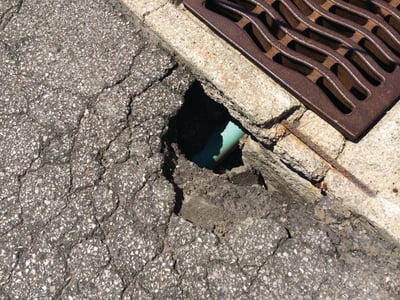
Document site conditions to help your team identify issues before they become a problem. You might discover heaved pavement, raised drainage structures or manhole lids that could damage your equipment or injure an employee. By cataloging current site conditions or documenting existing damage, you are better prepared to defend yourself against future damage claims. Clients who are not aware of critical damage issues that may affect service will appreciate knowing about problems that need corrective action.
Postseason
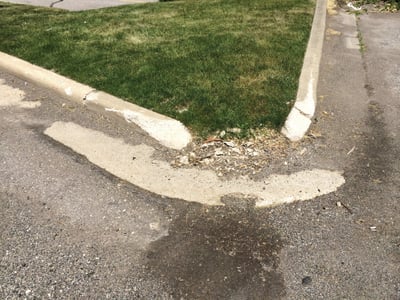
At the end of the season, assess your sites for damage that needs to be repaired. During the assessment, catalog current site conditions. This may prove helpful if damage occurs after the season and a property manager claims in May or June that your company caused the damage in the winter and needs to address it. The property manager may be drawing a logical conclusion that damage was caused by your company, particularly if they have not seen the site since the end of the season.
Download a sample incident reporting form at resources.sima.org/download
This article originally appeared in Snow Business Magazine.
Related Articles
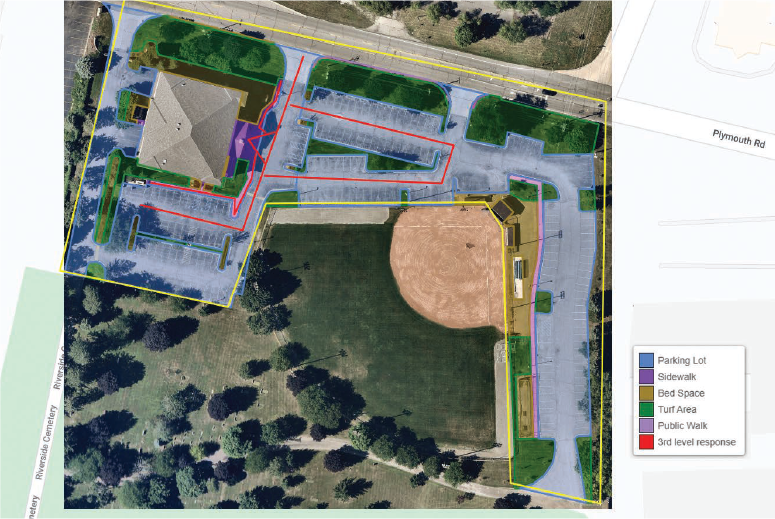
Level up
Operations
Tiered response plans can offset variables that can upend operations.
All-season snow equipment approach
Operations
Tips on how to make your equipment a steady contributor to performance year-round

Blueprint for success
Operations
Fail-safing can ID failure points and bottlenecks that negatively impact the customer.