

Strong snow teams are built on trust, clear expectations and good communication
Marty Grunder
Strong snow teams are built on trust, clear expectations and good communication
When I think about leading a snow team, I think about 2 a.m. phone calls, sideways snow, trucks that won’t start, and a crew that’s tired and cold. If you’ve been in this business long enough, you’ve had nights like that — where everything that could go wrong does — and you still must deliver.
That’s when leadership matters most.
I’ve learned over the years that a strong snow team doesn’t happen by accident. It’s built on trust, clear expectations, good communication and, of course, the right incentives — and it starts long before the first flake falls.
Set the tone early
The best snow teams know what’s expected of them before the season starts. If your crews are unclear on when they’re supposed to be available, how they’ll be dispatched, or what happens during an event, you’re going to have a rough winter.
Take the time this month to lay it out. Test drive your routes; schedule a “snow rodeo”; review safety procedures; and clarify roles within the team.
Getting back to the basics is the key: if there’s any confusion now, it’s going to compound into major issues when it’s 4 a.m. and there’s snow on the ground.
Make people feel valued
Why does snow never fall during daylight hours? I’m sure a meteorologist could explain this, but the bottom line for contractors is this: snow removal work often means unpredictable hours, working through the night, and driving in dangerous road conditions. We’re asking a lot of our teams, and we need to make sure these snow fighters know how appreciated they are.
We pay our team members a 30% hourly snow bonus on each snow or ice hour worked; so a team member who earns $19/hour during the landscaping season earns $24.70 for each snow hour. This compounds if they hit overtime hours, too. Money isn’t the only answer here, but it is a big part of getting our team excited about snow instead of dreading it.
Lead from the front
If you’re sitting at home while your team is out plowing, you’re sending the wrong message. I’m not saying you must be in a truck for 12 hours, but your team should know you’re with them — that you’re monitoring the storm, checking in, and available to solve problems.
Everyone on our team has a role during a snow event, even if that role is just making sure the snacks and energy drinks are stocked at the office so crews can grab something when they stop back. Our leadership team members have been known to be out in loaders pushing snow, driving around to drop off snacks, or even working a sidewalk crew.
Your attitude makes a difference
A bad attitude never makes a situation any better, and we have to keep our mindset positive. That’s sometimes easier said than done, so I try to remind my team of all the people we’re helping each time we go out on snow and ice runs.
Last year we had a large snow event that pushed our limits and tested our systems. Truthfully? Some of these systems failed. We got more snow in a 4-day span than we’ve gotten in an entire season some years. Our team was tired and morale was low as the first snowstorm was getting cleaned up, but the forecast called for another 6-8 inches of snow to come in 24 hours. We got through that event by working together as a team, taking breaks when we could, and all chipping in. It’ll be the secret to success in 2025-26, too.
Marty Grunder is founder of Grunder Landscaping Co. and The Grow Group coaching firm.
Related Articles

Keep clients in the loop
Business
Strategies for sharing information...but not too much information.

Eyes on the prize
Business
Assemble a comprehensive team to analyze financials and make informed decisions.
The brine trust
Ice Management
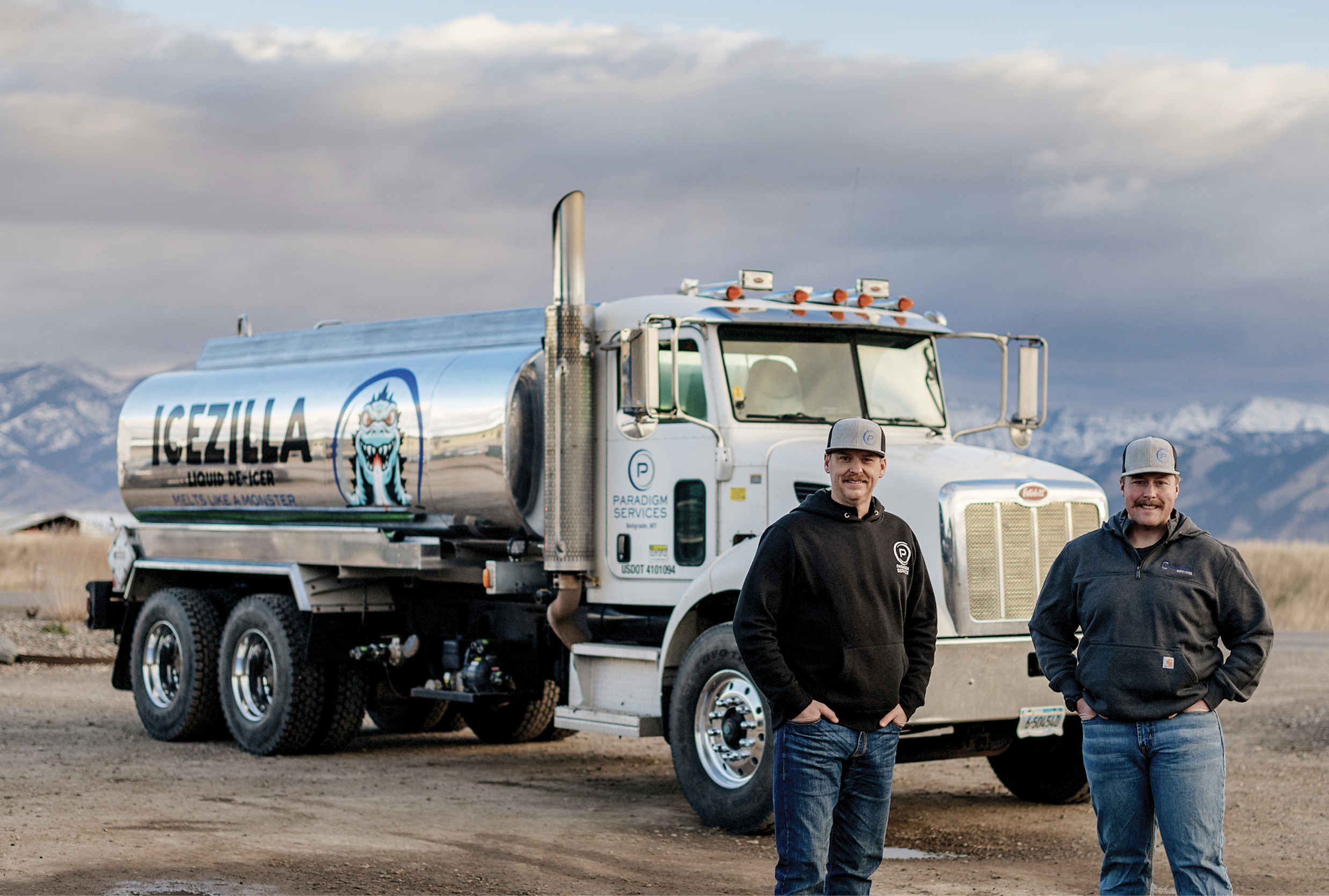
Paradigm Services shares DIY ingenuity and R&D to help contractors move toward liquids