

Accounts receivable: Navigating the seasonal balancing act
Mike McCarron
Navigate winter service agreements for your snow business
As spring unfolds, plows are washed and stored, equipment is assessed for damage, and business owners evaluate the past season’s successes and challenges.
Amid this transition, account managers face the pressing task of clearing past-due snow removal invoices before the next seasonal rush.
Payment terms vary widely — some accounts operate on a net 30-day cycle, while others extend to 65 days. This variability can complicate financial planning, particularly for seasonal businesses. Unlike year-round grounds maintenance providers, snow-only service businesses often lack the same pressure to maintain strong client relationships since overdue payments do not necessarily jeopardize future contracts. Understanding these dynamics is key to navigating winter service agreements effectively.
Managing client categories
To streamline operations and mitigate payment issues, businesses should categorize clients into two distinct groups: snow-only clients and those who utilize snow and summer services.
This classification allows companies to anticipate potential renewal challenges, especially when collecting past-due payments at less-than-ideal times. Internal staff should tag these accounts accordingly to better forecast financial risks.
Snow-only invoices, particularly those on a time-and-material basis, can be among the hardest to collect. As spring arrives, leverage diminishes, making overdue payments increasingly difficult to secure. Conversely, seasonal snow clients often provide monthly payments, helping offset costs in advance.
The most challenging scenarios occur when a client has yet to renew summer services and still owes payments for winter work. Some may try to negotiate lower rates by leveraging their ongoing relationship. Others, especially if a site manager has changed, might delay the process as they explore alternative vendors.
By recognizing these patterns, businesses can proactively address payment hurdles, improve contract renewals, and ensure greater financial stability.
Check in early
Timely communication is equally vital. Account managers and front-office staff should engage property owners and management teams immediately following each storm to address concerns before they escalate. Small oversights can compound over time, making on-time payments increasingly difficult to secure.
Stay ahead with smart documentation
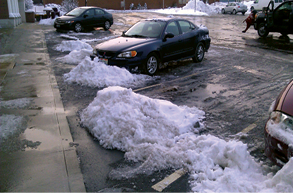
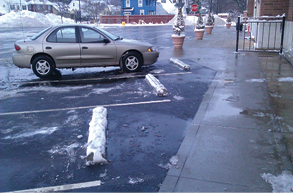
Strong documentation practices are essential for managing overdue payments and preventing disputes. Before the season begins, businesses should capture detailed photos and videos of service locations. These records serve as critical evidence in cases of alleged property damage, preventing payment delays that could stretch beyond 30 days.
For best results, photos should be taken both during service events and after storms — especially as snow piles recede. Organized documentation not only efficiently resolves disputes but also reflects a company’s commitment to professionalism. Assigning a dedicated team member to oversee this process ensures all files are properly cataloged and readily accessible.
Mike McCarron is president and founder of Image Works Landscape Management, a commercial landscape maintenance and snow removal firm in the Northern Virginia market. He has 20+ years of industry experience. Email him at mike@imageworkslandscaping.com.
Related Articles

Keep clients in the loop
Business
Strategies for sharing information...but not too much information.
-1.jpg?width=514&height=327&name=039-01%20(1)-1.jpg)
Hidden figures
Business
Consider all the behind-the-scenes costs when budgeting and pricing winter work.

Beyond the basics
Risk Management
A great agent delivers next-level service, proactively mitigates risk.